Skip to content

Microsoft’s Xbox strategy has changed significantly over the last decade, and one place where that shift quietly shows up is in GOTY nomination history.
When you look at GOTY nominations by platform, something funny happens.
Some consoles show up all the time, year after year… and others almost disappear. Yes, im talking about our beloved Xbox.
Even though Xbox is still a huge part of gaming, it barely shows up in GOTY nominations ever since The Game Awards started.
And to be clear, I don’t think this is because Microsoft “stopped caring about awards.” Realistically, no company builds games just to chase trophies. Awards are usually a side effect of quality, timing, and visibility.
What stands out to me is something else: Xbox has gradually stopped presenting itself as a traditional console identity in the first place.
Over the last decade, Microsoft has been pushing Xbox less as a specific box under your TV, and more as a broader publishing and ecosystem label which is something the company has openly confirmed with its own messaging: “Everything is an Xbox.”
This post looks at how that shift away from console-centered identity shows up in GOTY nomination history.
The E3 2013 backlash
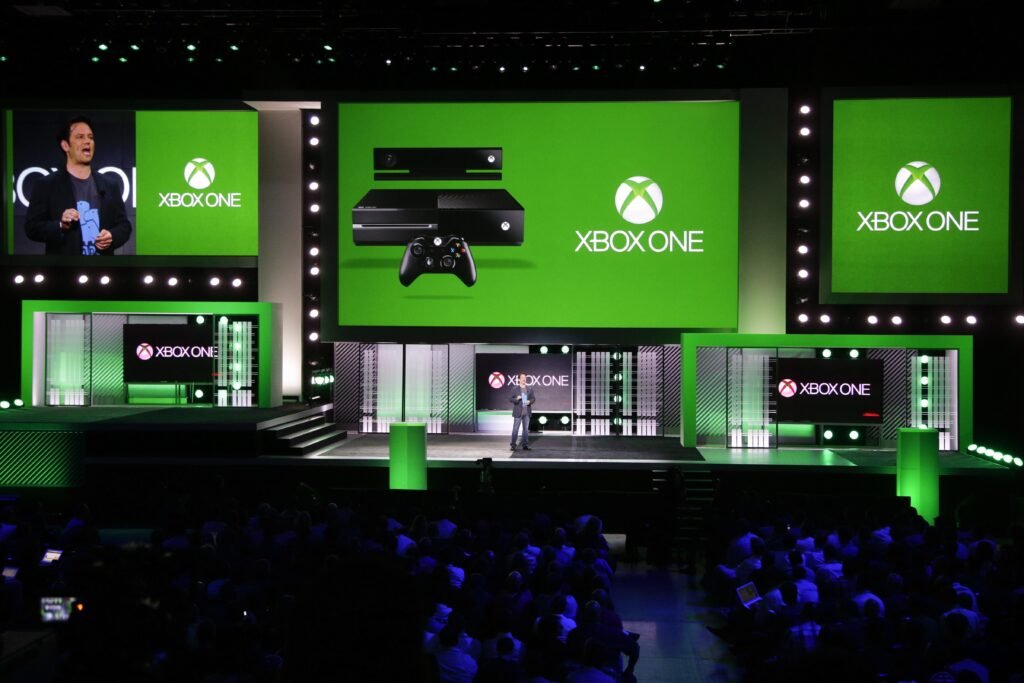
For a lot of players, the Xbox story didn’t suddenly change in the late 2010s. It started earlier.
When Microsoft unveiled the Xbox One in 2013, the conversation wasn’t really about games at first, it was about policies.
The original reveal included ideas like always-online requirements and restrictions around used games and sharing. Even though Microsoft later walked many of those plans back, the announcement left a strong impression.
I still remember how quickly the reaction spread. Journalists or forums, as regular players, critics – all with the same opinion which is funny to say the least. One of my closest friends, who had been a dedicated Xbox fan for years, switched to PS4 almost immediately because of that moment.
Sony, the well known most competitor at the time, capitalized on it perfectly, even releasing a short video joking about how easy it was to share games on PlayStation, a small marketing move that ended up symbolizing a much bigger shift in perception.
To me, that generation created something Xbox never fully recovered from: a break in platform identity and trust.
Not because Xbox stopped making good games by any means, it’s just that the brand began to feel less like a player-first console platform and more like a corporation trying to control the ecosystem.
And that’s where this connects back to the nomination data.
When a platform stops being culturally associated with defining releases when its identity becomes less clear it naturally fades from the kind of award conversations that depend on visibility, momentum, and “console-defining moments.”
From Console Identity to “Everything Is an Xbox”
After that generation, what followed wasn’t exactly a collapse but more of a redirection.
Over the years, Xbox started to feel less focused on being a single, console-defined platform, and more focused on becoming something broader.
Instead of the old model where the console itself was the center, Microsoft gradually pushed Xbox as an ecosystem that could live across devices.
Game Pass is probably the clearest example of that shift.
The message became less about “this is the Xbox game you need to buy an Xbox for” and more about “this is a game you can access through Xbox, wherever you are.”
And recently, Microsoft has been unusually direct about this philosophy. The company has openly leaned into the idea that Xbox is no longer just a box under your TV, captured perfectly in the phrase:
“Everything is an Xbox.”
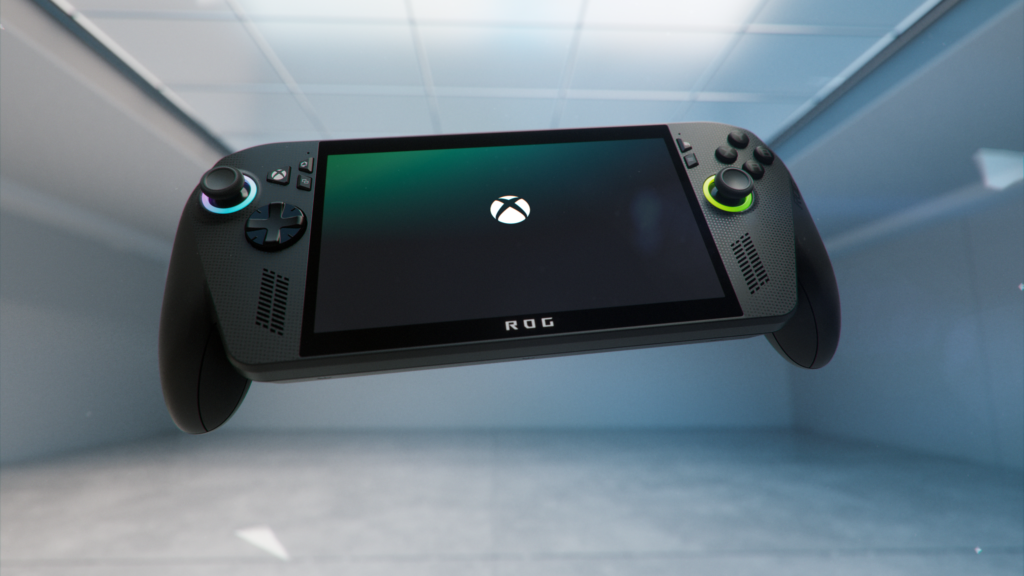
That mindset even shows up in hardware. The most recent Xbox-branded handheld isn’t a traditional first-party console at all, it’s essentially just another company’s device carrying the Xbox label.
All of that “expansion” per say, comes with a trade-off and the platform becomes harder to associate with specific, console-defining releases in the way award conversations often expect.
What the Nomination Data Reflects
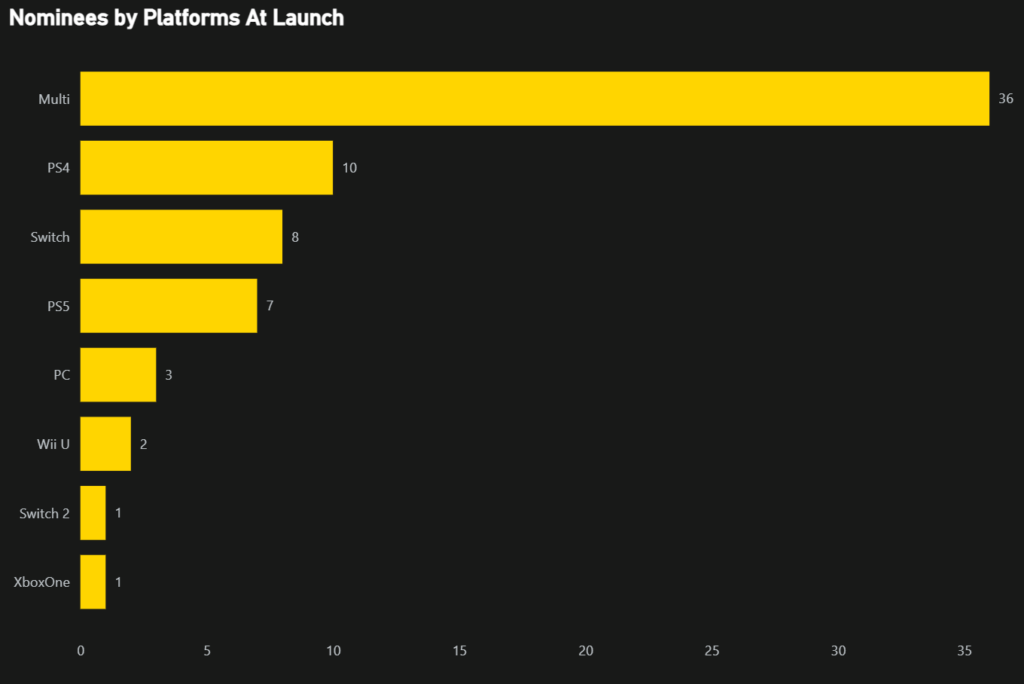
When you look at the GOTY nomination dataset, the pattern is still hard to ignore even if award shows like The Game Awards don’t follow a perfectly fixed formula.
There isn’t a single checklist that explains why one game gets nominated and another doesn’t.
But one thing does stand out.
Platforms like Nintendo and PlayStation almost always have their biggest exclusives showing up in the conversation. In my view, that isn’t just coincidence.
These are games that usually come with massive budgets, long development cycles, and a very clear purpose: they were always meant to represent the platform itself.
When one of those platforms releases a new Zelda or a new God of War they want the game to shine, because those titles help sell consoles and carry brand identity.
Xbox has always been known to their exclusives too such as Gears of War, for example.
But today, Xbox feels less focused on that kind of exclusive spotlight. When the platform’s strategy is no longer built around “this game defines Xbox,” the cultural weight around those releases naturally shifts.
Interestingly, one of the only nominated titles in the dataset that appears under the Xbox platform name is Inside, a game well received for some, but notably a third-party indie release developed and published by Playdead, not a first-party Xbox franchise.
So rather than proving anything definitively, the data leaves an open question:
What happens to platform recognition when a platform stops treating exclusives as its main identity?
Conclusion
Xbox’s absence from recent GOTY nominations isn’t something that can be explained through a single rule.
Award conversations are messy, subjective, and shaped by far more than raw quality.
But looking at the data, one thing feels increasingly clear: Xbox is no longer trying to define itself through console-exclusive “statement releases” in the way Nintendo and PlayStation often do.
Those platforms still anchor their identity around games like Zelda or God of War whicha are titles designed to feel inseparable from the hardware behind them.
Xbox, meanwhile, has moved toward something broader. With Game Pass, multi-platform releases, and messages like “Everything is an Xbox,” the brand has become less about a single console presence and more about being everywhere at once.
Even when Xbox appears in nomination history, and the only time they did was through a third-party title that is not platform-defining first-party anchor.
So rather than signaling decline or failure, the nomination gap may simply reflect a shift in what Xbox wants to be: a Publiser.
Now, if you would like to see which Platforms actually carry the most GOTY nominations you can check this post out!