Skip to content

Some of the most popular video game genres dominate player activity, sales, and long-term engagement, and yet many of these titles belong to popular game genres without GOTY nominations.
By comparing genre popularity signals from Steam with historical GOTY nomination data, a clear pattern of several major genres remain structurally absent from one of the industry’s most visible awards emerges.
This post highlights a small group of widely played genres that, despite their scale and cultural relevance, have never reached GOTY nominations.
5 – Sports

Sports games are among the most commercially successful and consistently played genres in the industry.
Franchises like EA Sports FC (FIFA), NBA 2K and Madden NFL release annually, dominate sales charts, and maintain massive player bases year after year.
Despite this scale, sports games have never reached GOTY nominations.
An extremely common opinion is that, part of their absence comes from how little these titles change from one year to the next. Innovation tends to be incremental, and many releases feel more like yearly updates than distinct creative statements.
Sports games often carry a “corporate” identity with intents to be nothing else than profitable and rarely driven by the kind of artistic risk or personal vision that award juries tend to reward.
A fair question is: how are sports games supposed to innovate?
But through my nostalgia, I can still remember how titles like FIFA Street felt. They were’nt afraid to do something different which often meant going for goofy animations and experimental approaches. That made them genuinely fun in a way that went beyonf realism or simulation.
That kind of creative personality is much rarer in today’s annualized sports cycle.
4 – Racing

Racing games consistently rank among the most popular and technically advanced genres in the industry.
Series like Gran Turismo, Forza Motorsport, Forza Horizon and F1 sell millions of copies, showcase cutting-edge graphics, and often set benchmarks for performance and realism on their respective platforms.
Racing games have never reached GOTY nominations, even with that level of prominence.
Part of the reason may be that modern racing games rarely aim to deliver a radically new experience each year. Instead, they focus on iteration, refinement, and long-term mastery. That makes them deeply rewarding for dedicated players, but less aligned with award systems that tend to celebrate distinct, self-contained releases tied to a specific year.
I’d also argue that the genre has become increasingly niche over time. Racing games still have a strong reputation, but as many franchises lean further into simulation, they naturally appeal to a narrower audience.
Personally, I think the genre would feel more visible in award conversations again if we saw more projects with the energy of older arcade-style titles. Games like Burnout or even the classic Need for Speed: Underground, where racing was less about realism and more about raw speed nitro, chaos, and fun.
3 – Simulation

Simulation games represent some of the most enduring and deeply engaged player communities in gaming.
Titles such as The Sims, Cities: Skylines, Football Manager, and Microsoft Flight Simulator are designed to be played over hundreds or even thousands of hours, often evolving through expansions, updates, and long-term support.
Simulation games have never reached GOTY nominations, despite their popularity and longevity.
One reason may be that simulation titles rarely create a single defining “release moment.” Their value tends to emerge gradually over time, which contrasts with the snapshot-based nature of GOTY awards that usually reward games as finished, self-contained experiences tied to a specific year.
2 – MOBA
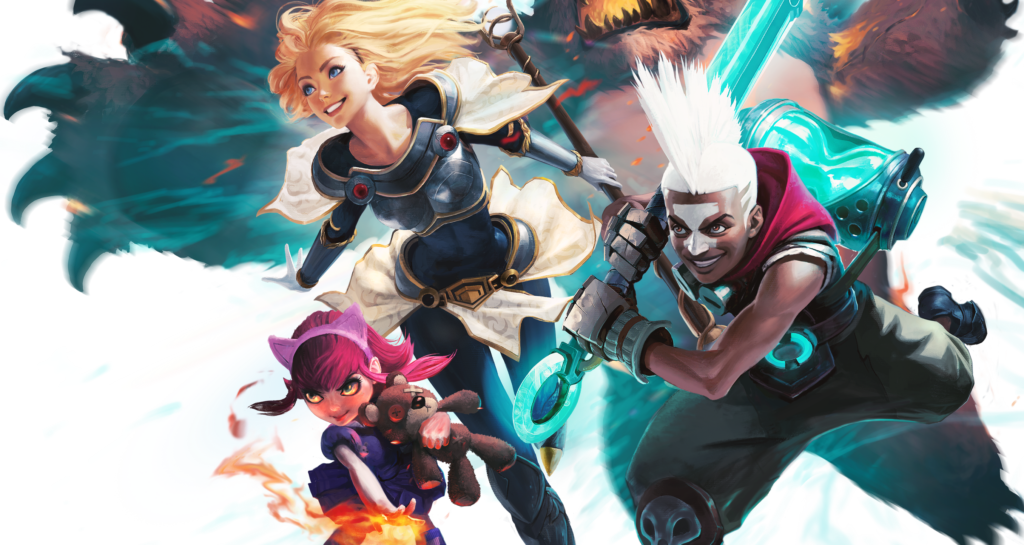
Multiplayer Online Battle Arenas (MOBAs) are among the most played and most watched games in the world.
Titles like League of Legends and Dota 2 dominate player counts on Steam, sustain massive esports ecosystems, and remain culturally relevant for more than a decade after launch.
Even so, MOBA games have never reached GOTY nominations.
One reason may be structural: the genre is almost entirely defined by two giants. New MOBAs rarely break through in a meaningful way, which makes it difficult for the category to produce a “new” award contender in the way other genres do.
Taking the throne from games as established as League of Legends or Dota 2 is incredibly hard. The space feels locked in place.
That being said, competitive genres can still be disrupted. A recent example is Marvel Rivals, which managed to rise quickly and seriously threaten Overwatch’s long-standing position in the hero shooter space.
It’s not impossible for a new giant to emerge, it’s just extremely rare. And that rarity may be exactly why MOBAs have never produced a fresh GOTY nomination contender.
1 – MMO / MMORPG
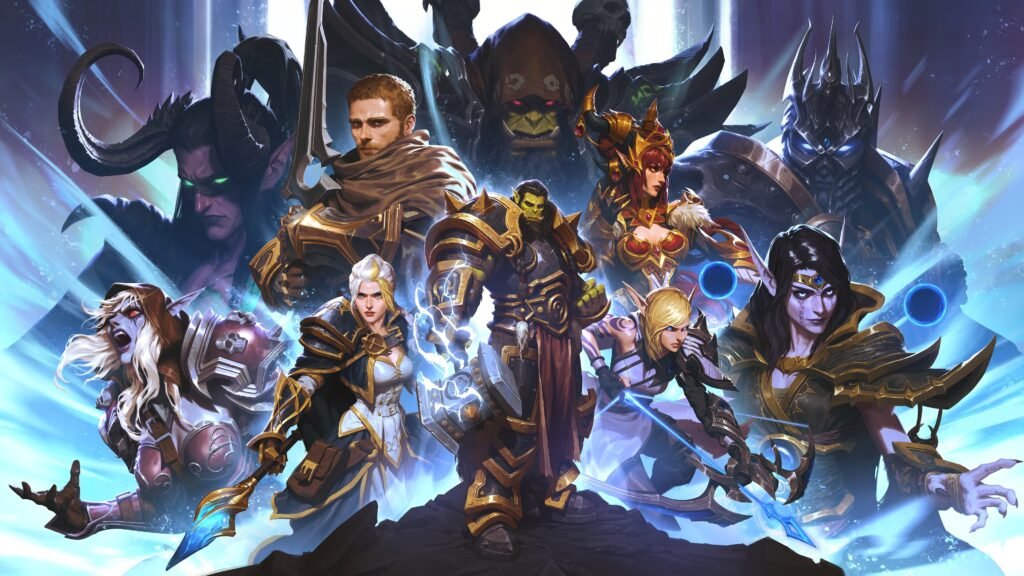
Massively Multiplayer Online games, especially MMORPGs, represent some of the largest and most influential titles in gaming history.
Games like World of Warcraft, Final Fantasy XIV, Guild Wars 2, and The Elder Scrolls Online have shaped entire generations of players, maintained active communities for years, and generated cultural moments that extend far beyond their launch windows.
Despite this, MMO and MMORPG titles have never reached GOTY nominations.
Their most meaningful achievements often occur years after release, making it difficult to associate their impact with a single award year. As a result, MMORPGs exist largely outside the evaluation model used by traditional Game Awards.
What would it take for these type of games to reach GOTY?
The absence of these genres from GOTY nominations does not mean they are permanently excluded.
It suggests that, for games in these categories to break through, they often need to do more than refine an established formula.
In recent years, award-winning titles have tended to stand out because somehow, they try to reframe the genre.
Games like Clair Obscur: Expedition 33 demonstrate this clearly.
While JRPGs have appeared in award conversations before, its recognition came from introducing a fresh structure, new mechanics, and a distinct identity, rather than simply representing the genre well.
For traditionally absent genres such as Sports, Racing, Simulation, MOBA, and MMORPG, reaching GOTY recognition would likely require a similar shift:
- a release that feels self-contained, rather than ongoing
- a design that challenges expectations within the genre
- and a moment that resonates beyond its core audience
I would say that trying to escape their own category shackles bring something fresh to the table adds a few percentages in favor.
If you curious to know what Genre dominate Goty check out: Top Genres With Most GOTY Nominations.