Skip to content

Can you be evil in Hogwarts Legacy? Exploring Hogwarts, flying around the castle, getting lost in Hogsmeade, all of that works incredibly well. The game absolutely nails the atmosphere, the fantasy, and the castle itself feels like its own character. Every corridor hides a detail, every classroom feels alive, and for a long time that immersion carries the experience forward.
But the longer I played, the more one thing started to stand out.
The game gives you a lot of power, but almost no responsibility.
And nowhere is that more obvious than when you unlock the Unforgivable Curses.
Power Without Consequences

In the Harry Potter universe, spells like Avada Kedavra are not just powerful tools, they are taboo. They are feared, morally condemned, and often portrayed as corrupting even the most skilled witches and wizards. Characters who use them are marked by that choice. Their reputation changes. Their relationships shift. Sometimes, even their identity becomes inseparable from the magic they wield as we already know how happened with He Who Must Not Be Named.
It is true that in the world created by J.K. Rowling, intent matters. You do not suddenly become evil simply because you cast the Cruciatus Curse once. The motivation behind the spell counts. At the same time, the repeated and deliberate use of dark magic is often portrayed as something that shapes a person over time. It leaves a mark, not always instantly, but gradually.
In Hogwarts Legacy, though, they are treated very differently.
You can use them freely in combat, sometimes repeatedly, and the world barely reacts. NPCs do not treat you differently. Professors do not question you. Your reputation does not change. Nothing about your character really shifts beyond having access to a very strong spell.
Mechanically, it feels impactful. Watching enemies fall instantly is satisfying. The animation is dramatic. The damage is undeniable, but it feels hollow narratively speaking.
Yes, we know it’s just a video game, but that specific disconnect between what dark magic represents in the lore and how it functions in gameplay creates a strange gap. The game itself tells you that these spells are forbidden and morally dangerous, yet the systems never reinforce that message. You are allowed to act like a dark wizard without ever being treated like one.
That is what made me think of inFAMOUS.
How inFamous treats power

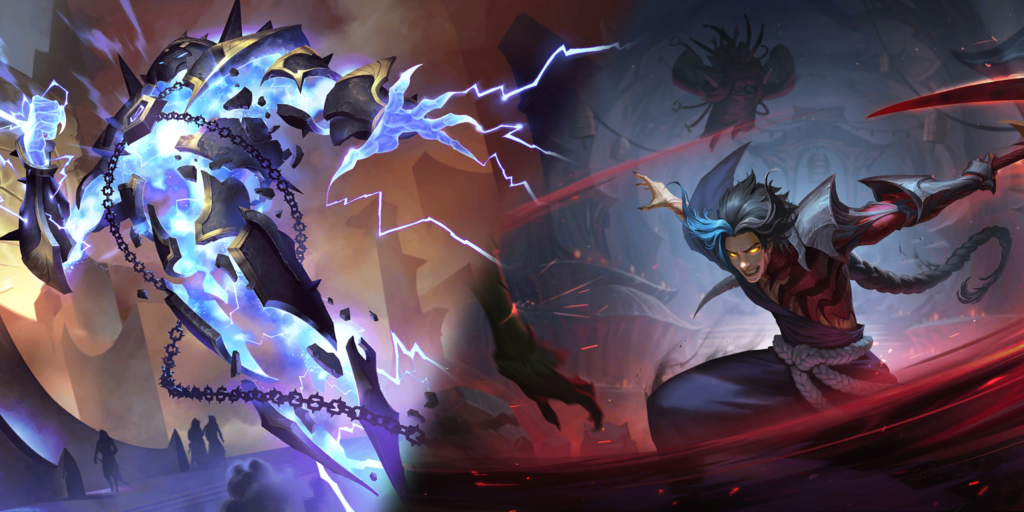
In inFAMOUS, power is never neutral. Depending on your karma, your abilities do not just scale in damage, they actually change in nature. Certain powers only exist on one side of the moral spectrum. Others behave differently depending on the path you have chosen. Even visually, your abilities reflect who you are becoming.
That design choice does something subtle but it turns your powers into a reflection of your behavior, instead of basing exclusively on stats.
The game tracks your actions through a karma system that can be positive or negative, and that system is not just cosmetic. It affects how civilians react to you. It influences certain story moments. It shapes how your character is perceived within the world.
The main point is that it changes how your powers evolve.
Being heroic feels different from being infamous. The difference in dialogue depending on your karma is plus but this is also felt in gameplay, in abilities, and in how the world responds to you. The game does not simply label you as good or evil. It makes you experience the consequences of your actions in a tangible way.
That alone gives real weight to your choices.
What Hogwarts Legacy Could Absorb
I do not think Hogwarts Legacy 2 needs a visible karma meter or a strict morality bar on the screen.
But it could absolutely treat dark magic as a system rather than just a spell category. Imagine if frequent use of Unforgivable Curses slowly altered how certain characters responded to you. Maybe some companions would distance themselves. Maybe certain story paths would close while others would open.
Power could change the player, not just their damage numbers.
There could be real trade offs between different magical paths. A witch who leans heavily into dark magic might gain devastating combat abilities but lose access to certain NPCs or narrative opportunities. A more restrained wizard might struggle in battle but maintain stronger social bonds and alternative story resolutions.
The Harry Potter universe already supports this kind of design. The lore repeatedly emphasizes that magic reflects intent and character. Corruption, temptation, redemption, all of these themes are built into the world. The narrative groundwork is already there. It simply needs mechanical follow through.
Final thought
Hogwarts Legacy is an impressive achievement in atmosphere and world building. It captures the fantasy of attending Hogwarts in a way few adaptations ever have. Walking through the castle, exploring the grounds, and living inside that world feels authentic and carefully crafted.
At the same time, the original Harry Potter story was rarely just about magical power. It was about choices. Harry was not defined by the spells he could cast, but by the decisions he made when faced with fear, temptation, and responsibility. Again and again, the series reminds us that ability alone does not define a wizard.
That is why the question of “can you be evil in Hogwarts Legacy” feels important. The universe itself is built on moral weight.
I am sure Hogwarts Legacy 2 is going to be a great game, with improvements across the board. The foundation is already strong. But if a sequel ever chooses to lean deeper into moral divergence and meaningful consequences, it could elevate the experience from immersive to truly transformative.
If you enjoy these kinds of cross universe reflections, you can also check out my Avatar and Sifu post, another example of how I like connecting different worlds through game design.