Skip to content

Game of the Year nominations are usually discussed in terms of individual games or developers. However, looking at nominations through the lens of platform association reveals a different layer of insight.
When comparing consoles with most GOTY nominations, patterns begin to emerge around publishing structure, exclusivity, and long-term release strategy.
Each console has its own release model and ecosystem. By breaking down nominations by console, we can observe how different systems appear in award history.
This post presents a structured overview of GOTY nominations by console. Each system is listed independently, followed by its nominated titles. Titles that are not first-party releases are identified separately to distinguish between platform-developed games and third-party contributions.
No interpretative analysis is included. The goal is to document the distribution as it appears in the dataset.
First-Party vs Third-Party Clarification
Before breaking down the nominations, it is important to clarify what “first-party” means in this context.
A first-party title refers to a game developed and/or published by a studio owned by the platform holder. These games are typically exclusive or closely associated with that console’s brand identity.
A third-party title, on the other hand, is developed by an independent studio not owned by the platform manufacturer. While such games may appear prominently on a console, they are not internally produced by that company.
This distinction helps separate platform-driven releases from externally developed titles when analyzing nomination patterns.
Platforms Breakdown
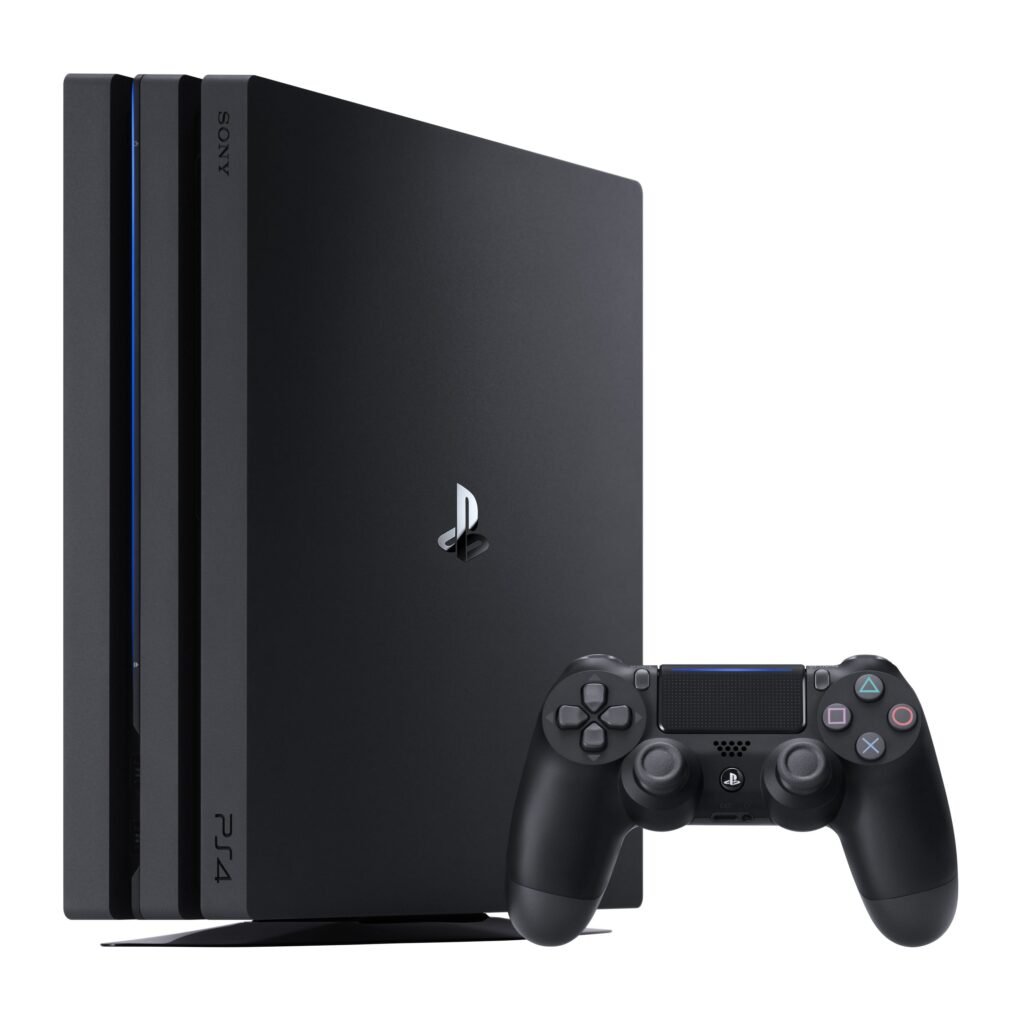
PlayStation 4
Released in 2013, the PlayStation 4 represented one of Sony’s most commercially successful console generations. During its lifecycle, the platform was strongly associated with a consistent lineup of high-profile exclusives and long development cycles tied to first-party studios.
Nominated titles
- Bloodborne
- Ghost of Tsushima
- God of War
- Horizon Zero Dawn
- Marvel’s Spider-Man
- Persona 5
- The Last of Us Part II
- Uncharted 4: A Thief’s End
Non first-party nominees (third-party)
- Persona 5
- Final Fantasy VII Remake
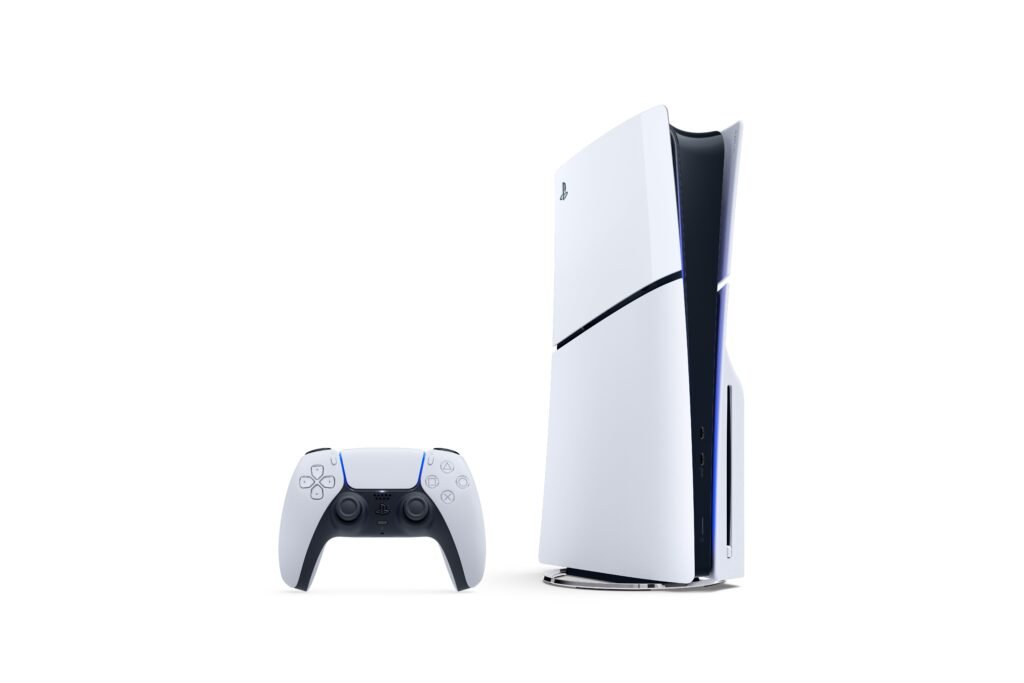
PlayStation 5
Released in 2020, the PlayStation 5 marked the beginning of Sony’s ninth console generation. The platform continued the company’s established model of pairing new hardware with high-budget first-party releases and cross-generation transitions from the PS4 era.
Nominated titles
- Astro Bot
- God of War: Ragnarök
- Horizon Forbidden West
- Marvel’s Spider-Man 2
- Ratchet & Clank: Rift Apart
Non first-party nominees (third-party)
- Final Fantasy VII Rebirth
- Death Stranding 2
Nintendo Switch
Released in 2017, the Nintendo Switch introduced a hybrid console model, combining handheld and home gaming into a single platform. Throughout its lifecycle, the system has been closely associated with Nintendo’s internally developed franchises and long-running first-party series.
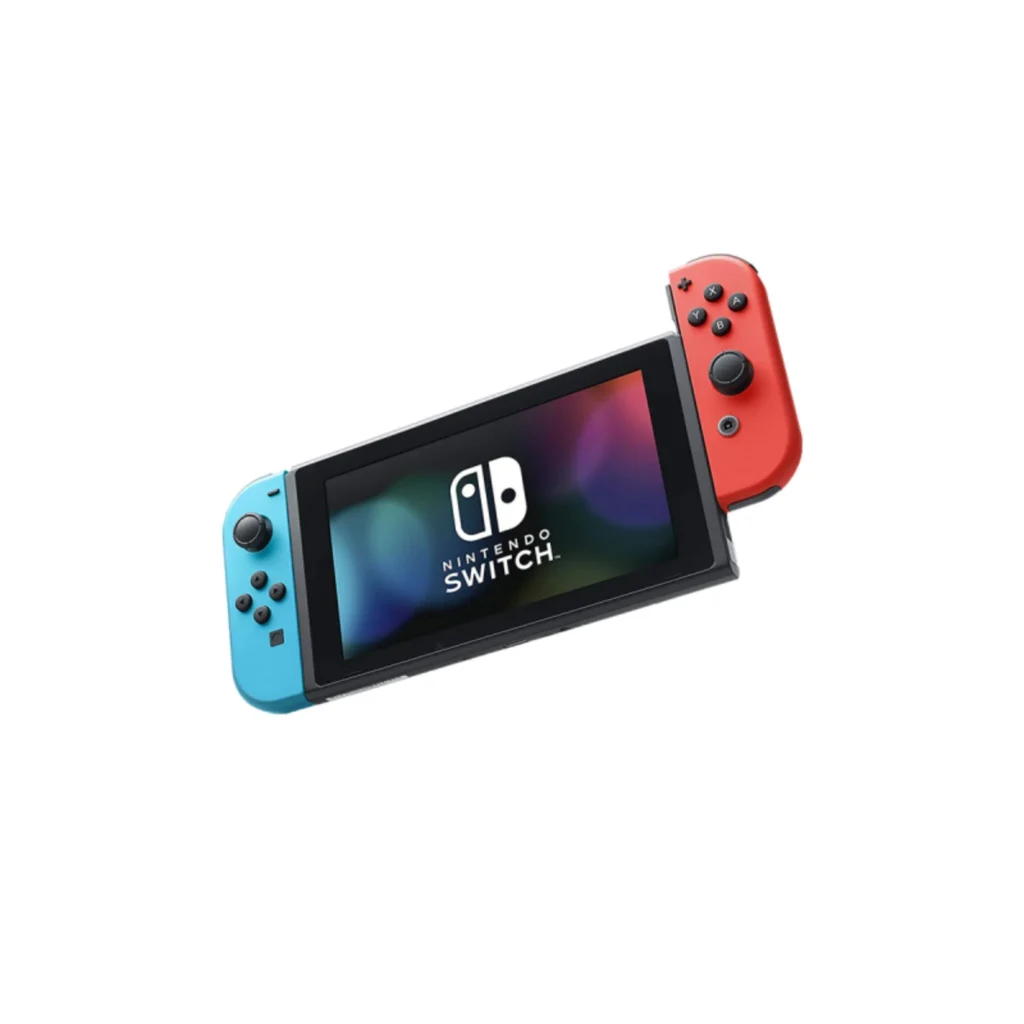
Nominated titles
- Animal Crossing: New Horizons
- Metroid Dread
- Super Mario Bros. Wonder
- Super Mario Odyssey
- Super Smash Bros. Ultimate
- The Legend of Zelda: Breath of the Wild
- The Legend of Zelda: Tears of the Kingdom
- Xenoblade Chronicles 3
Non first-party nominees (third-party)
- None
Wii U
Released in 2012, the Wii U preceded the Nintendo Switch and marked Nintendo’s eighth console generation. Although its commercial performance was more limited compared to other platforms, a few titles associated with the system still appeared in Game of the Year nomination history.
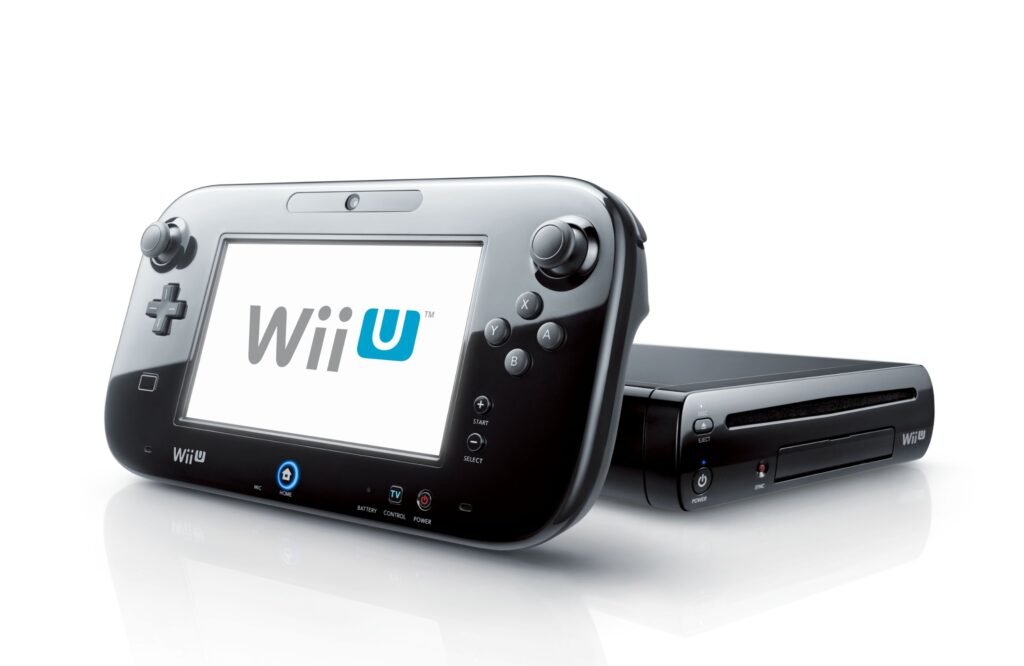
Nominated titles
- Super Mario Maker
Non first-party nominees (third-party)
- Bayonetta 2 (Nintendo-published, but not a Nintendo-owned IP)
Nintendo Switch 2
Announced as the successor to the original Nintendo Switch, the Nintendo Switch 2 represents the continuation of Nintendo’s hybrid console strategy. As a next-generation platform, its nomination history is still in early development compared to longer-established consoles but it already counts with 1.
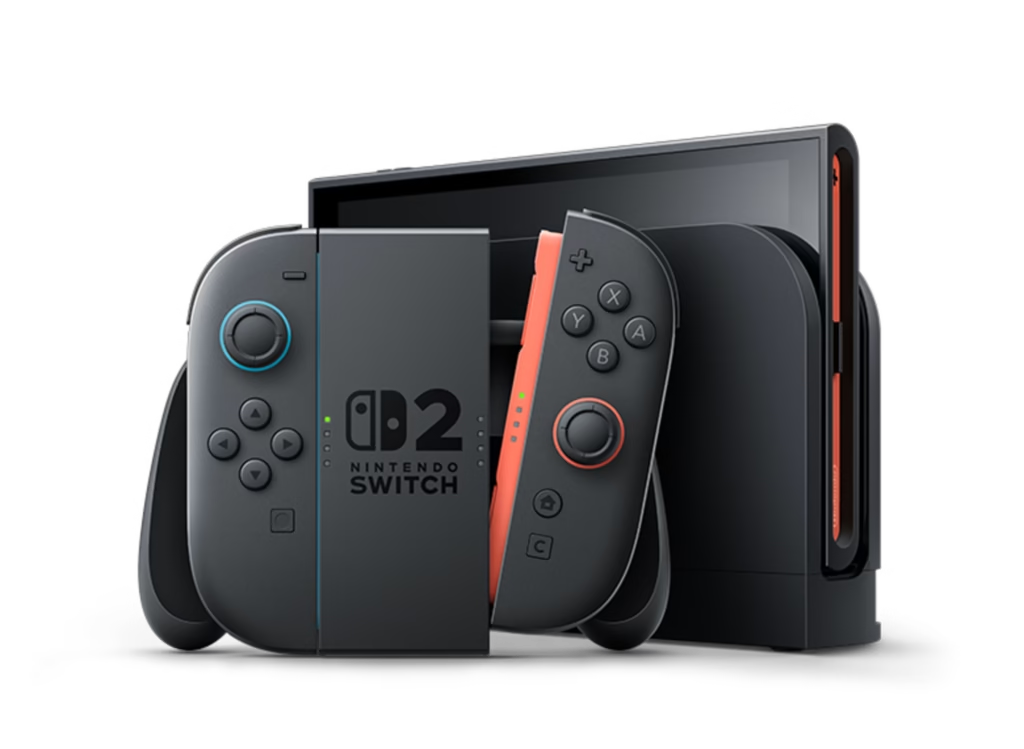
Nominated titles
- Donkey Kong Bananza
Non first-party nominees (third-party)
- None
Xbox One
Released in 2013, the Xbox One entered the eighth console generation under significant public scrutiny following its initial reveal policies, which were later revised prior to launch. No first-party Xbox One titles received Game of the Year nominations during his lifecycle.
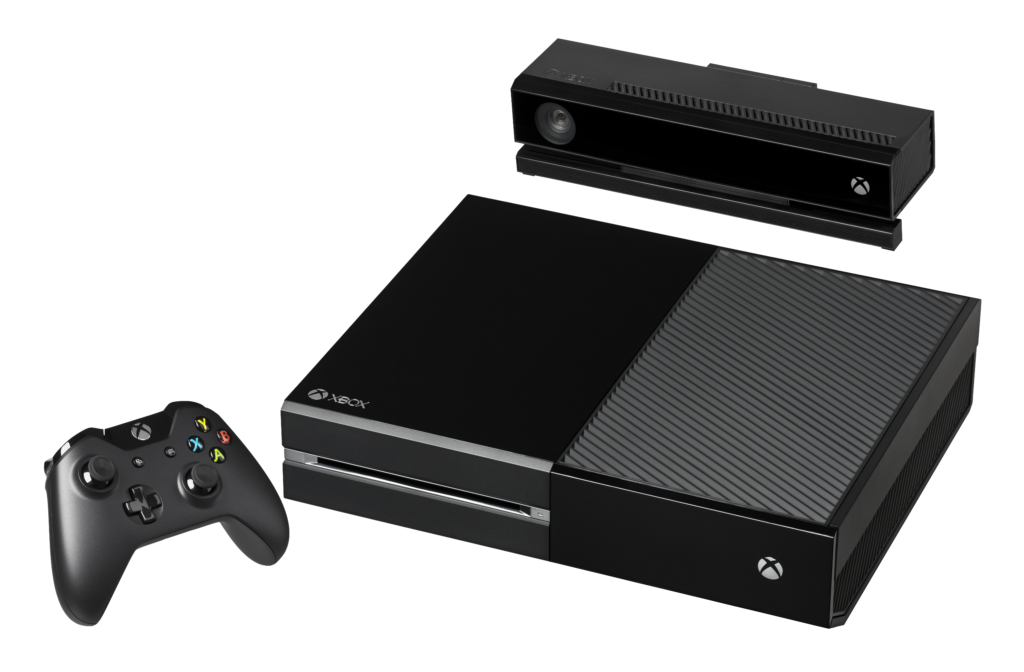
Nominated titles
- None
Non first-party nominees (third-party)
- INSIDE
Data overview
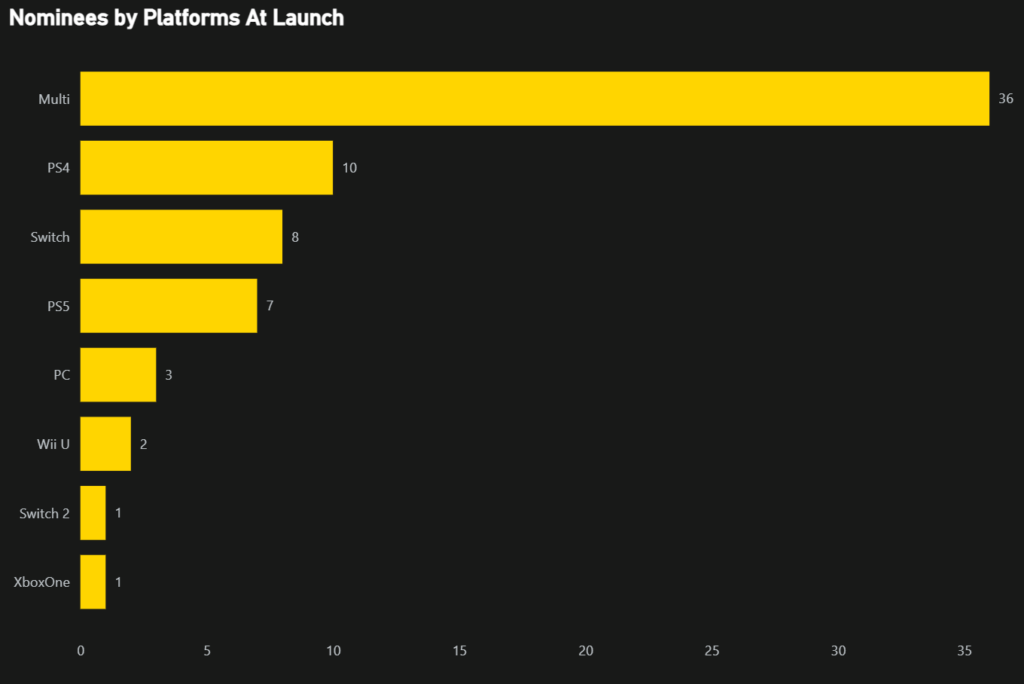
To wrap it up, above we have the original chart to get to those conclusions.
This structured overview highlights how nomination presence varies across platforms. Some consoles show a consistent concentration of first-party nominees, while others rely more heavily on third-party titles. The dataset itself does not explain the reasons behind these patterns, but it clearly documents how platform association appears in award history.
If you would like to see this data explain correlates with Xbox decay check this post.